
Dorchester County Arrest Warrants Explained
What does an arrest warrant actually do? It gives an officer lawful authority to take a named person into custody. In Dorchester County the paper starts with a charging document from an officer, a complainant, or the State's Attorney, and it needs probable cause. Maryland also demands one of a few narrow conditions: a prior failure to answer a personally served summons, whereabouts so unknown that a warrant is necessary, custody on another offense, or probable cause of danger to another person or the community. Without one of those, a commissioner should not issue the warrant.
Dorchester County Warrant or Summons Decisions
A commissioner does not have to reach for a warrant. Maryland law allows a summons instead, which orders the person to appear without authorizing an immediate arrest. That choice shapes everything that follows in Dorchester County, because a summons produces a court date while a warrant produces custody exposure. Suppose you learn a summons, not a warrant, carries your name. Your priority shifts to keeping that court date, since missing it can convert the matter into the exact warrant you hoped to avoid. The commissioner authority statute sets out both powers along with the recall rule that lets a judge substitute a summons later.
Inside a Dorchester County Arrest Warrant
A Dorchester County Circuit Court arrest warrant form carries more identifying detail than most people expect. It is built so an officer can confirm the right person fast. The statutory field list works as a form inventory. No part of it is republished here.
| Warrant Caption | The order's title, which may read arrest warrant, state capias, contempt, or body attachment |
|---|---|
| Full Name | The name as known to the court, when it is known |
| Last Known Address | A locating field, not a current address guarantee |
| Physical Descriptors | Height, weight, hair, eyes, marks, and similar identifying entries |
| Appearance Instruction | The judge or commissioner the person must be brought before |
| Routed Copies | The judge, the clerk, the serving officer, and the person named |
Note: Dorchester County bond and status details are not fully listed in the statutory form, so the case file is the only reliable source for them.
Dorchester County Arrest Warrant Probable Cause
Probable cause means a reasonable, fact-based belief that an offense happened and that this person was involved. A commissioner reviews an application for a statement of charges and makes that call. Circuit Court warrants travel a different road in Dorchester County. A State's Attorney request with a finding of probable cause, or an indictment, can support an arrest warrant under Maryland's criminal rules. Either way, some arrest process stays sealed until it is executed or filed, so a clean search does not mean no warrant exists.
Serving Arrest Warrants in Dorchester County
Service falls to whichever authorized agency receives the paper. The Dorchester County Sheriff's Office at 829 Fieldcrest Road handles county process, Cambridge police cover the city, and Hurlock police cover the town, while Maryland State Police or another partner agency may execute a warrant anywhere in the county. Rule, not officer preference, governs what happens after an arrest. The person must go before a judicial officer without unnecessary delay, and the commissioner or judge then handles the advisement and the release decision. The District Court role map explains who does what at that stage.
Federal Versus Dorchester County Warrants
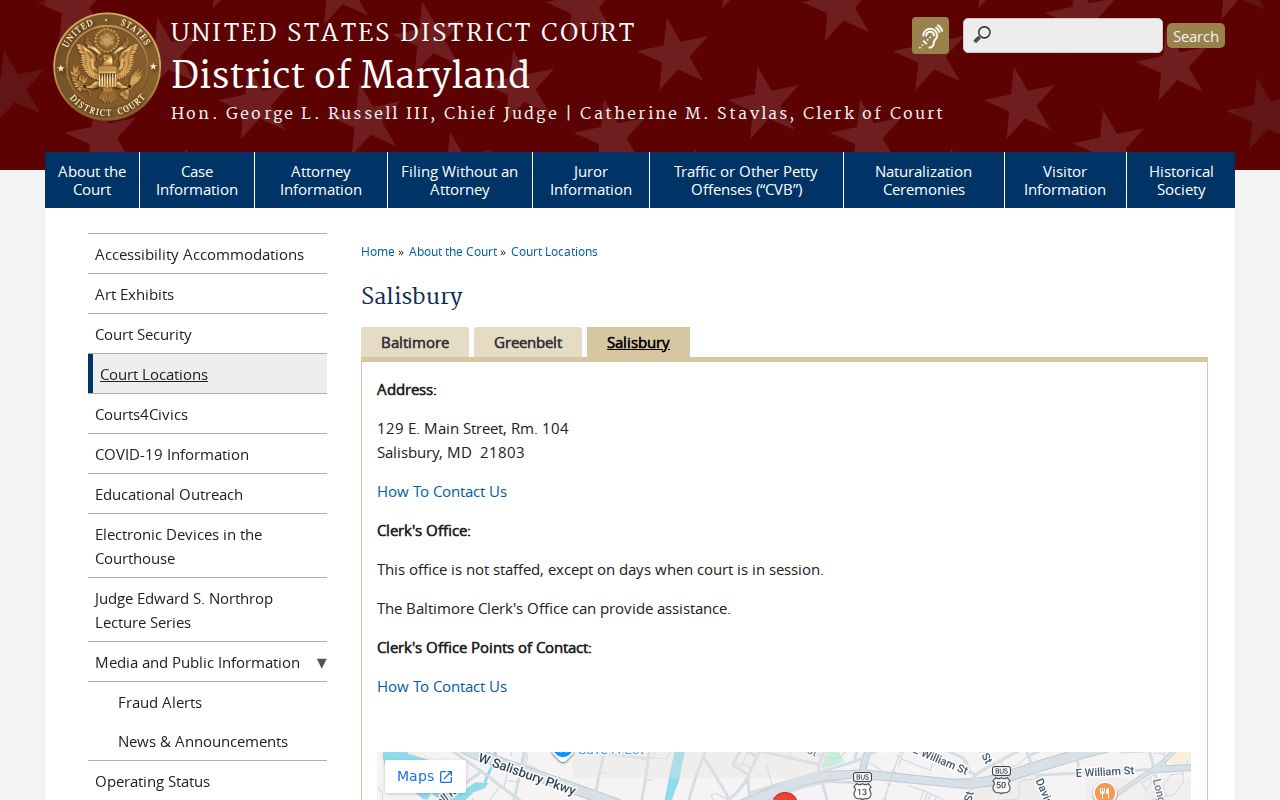
Do not look for a federal warrant in Maryland's case portal. A Dorchester County state warrant will not show up in federal records either. Dorchester County sits in the U.S. District Court for the District of Maryland, whose nearest Eastern Shore location is in Salisbury. That office is not staffed except on court days, so plan a call before a trip. The District of Maryland also posts a prominent warning about arrest-warrant scams, worth reading if anyone has called you about a federal case.
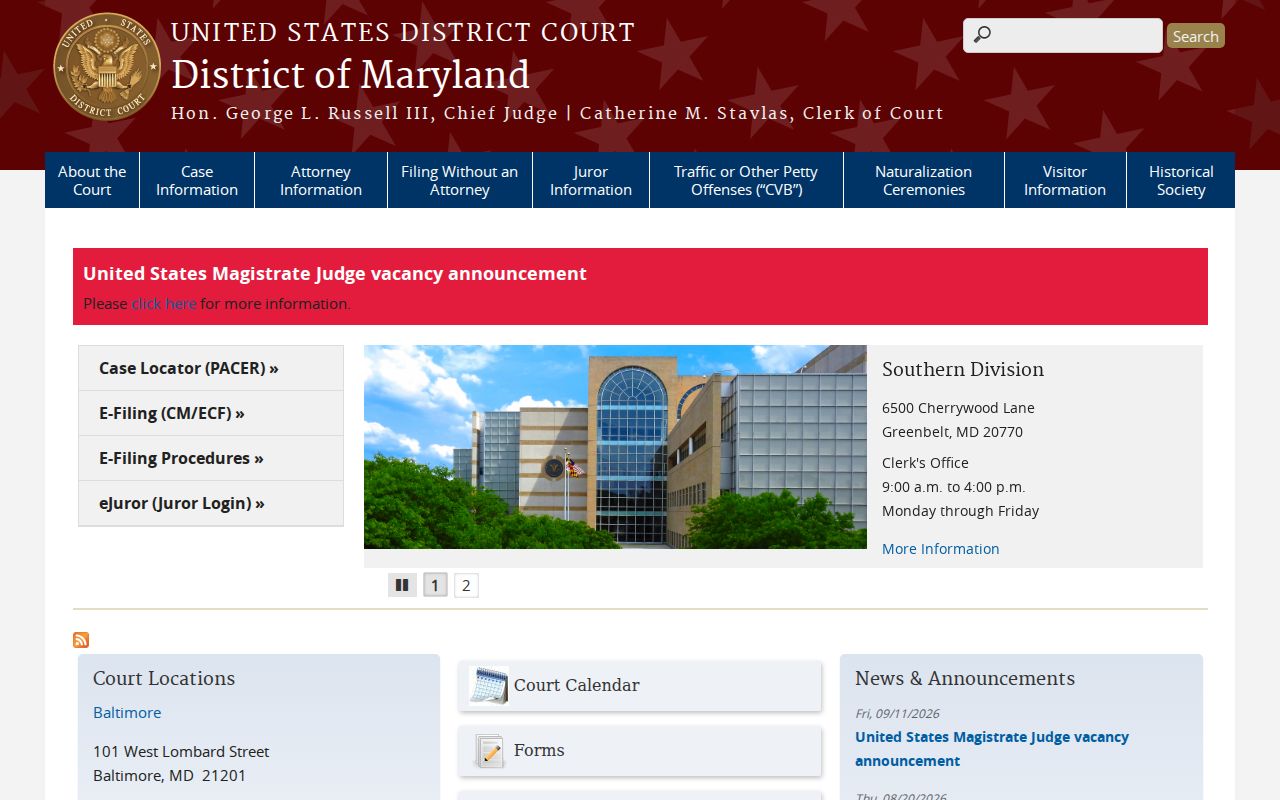
That page routes case access through official channels only. The Salisbury federal court location serves the Eastern Shore. Baltimore's clerk answers questions when Dorchester County travelers find Salisbury closed.
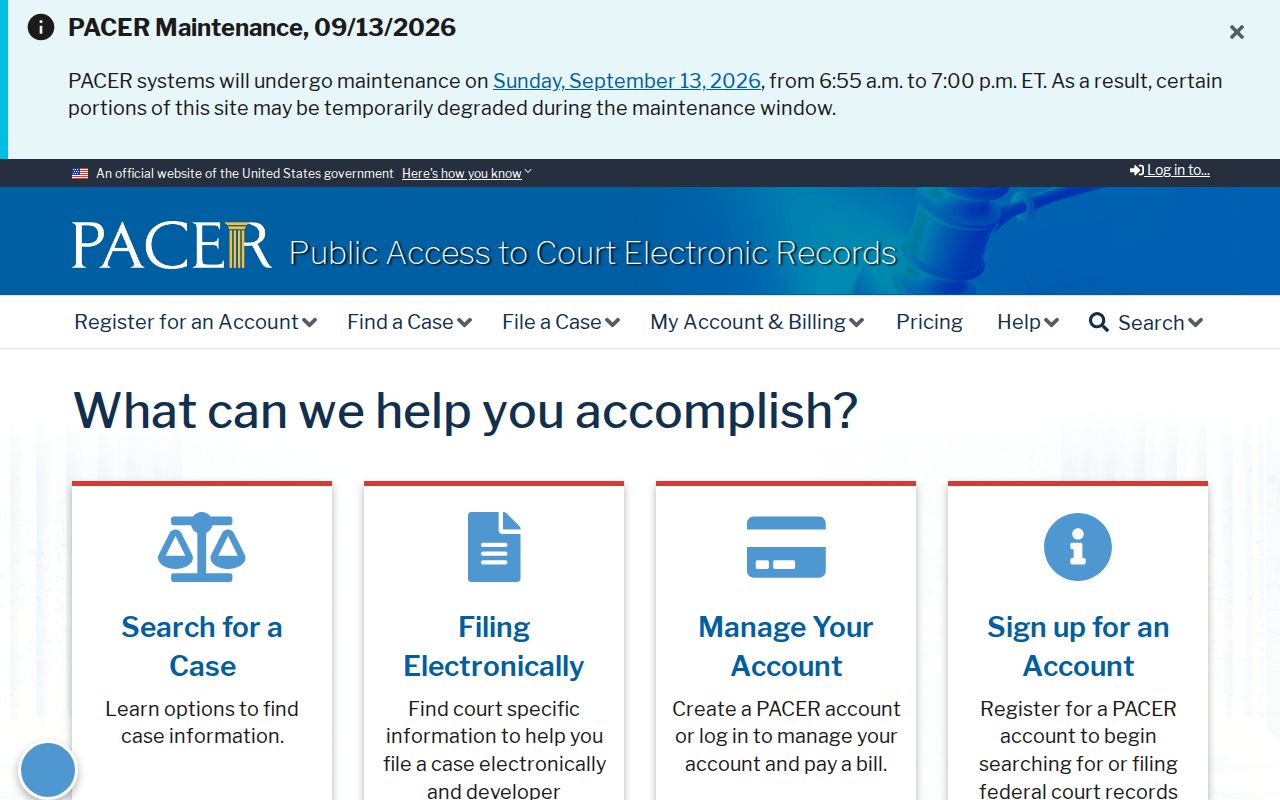
Federal dockets are read through PACER, which charges page fees. It shows only unsealed material, a limit that matters for Dorchester County cases.
Federal fugitive work belongs to the U.S. Marshals and partner agencies on the Capital Area Regional Fugitive Task Force. No Dorchester County public roster of those warrants exists.
Comparing Arrest, Summons, and Bench Warrants
Three orders, three starting points. In Dorchester County, the practical difference is whether a person has time to prepare.
| Point | Arrest Warrant | Summons | Bench Warrant |
|---|---|---|---|
| What Starts It | A charging document and probable cause | A charging document and probable cause | A missed obligation in an existing case |
| Custody Risk | Immediate | None until a court date is missed | Immediate |
| Who Signs It | Commissioner or judge | Commissioner or judge | The judge on the case |
| Usual Path Out | Surrender, bond, or recall | Appear as directed | Recall, quash, or a new appearance |
Note: A Dorchester County summons is still a court order, and ignoring one can produce a warrant within weeks.
Dorchester County Arrest Warrant Bond Decisions
Bond is a release decision, not a dismissal. A commissioner may set an amount, commit someone in default of bond, or release them on personal recognizance when circumstances allow, and a judge reviews the question for anyone held on a jailable charge. Bond clears the custody hold. The underlying case stays very much alive. Dorchester County publishes no bond schedule, no accepted payment list, and no detention bond-window hours. Call the sheriff at 410-228-4141 or the Detention Center at 410-228-8101 before you go anywhere, and ask how a specific amount can be posted. Never follow payment instructions from an unsolicited caller.
If There's an Arrest Warrant for You
Slow down here. In Dorchester County, a voluntary appearance arranged through a lawyer usually beats a roadside stop, and counsel can tell you whether asking the court to recall the warrant is realistic for your case.
Important: Speak with a Maryland attorney before any surrender. Bring the case number, and never pay anyone who calls demanding money to clear a warrant.
- Confirm the warrant with the clerk who owns the case, and write down the caption and case number.
- Ask whether bond is already set and which agency received the warrant for service.
- Hire counsel or apply for the Public Defender if you qualify, and let them arrange the appearance.
- Follow the court's instructions on where and when to appear, and arrive with identification.
- Keep every receipt and docket entry, then confirm the warrant record reflects the outcome.
Dorchester County Arrest Warrant and Counsel
A private defense attorney can work the Dorchester County side of this for you. Your lawyer calls the clerk and the prosecutor, floats a recall, and books a walk-through appearance so an arrest never has to come first. That is often the whole difference between a planned court date and a cell. Money tight? The Public Defender eligibility process runs through the District Court commissioner. A commissioner decides eligibility for criminal cases that carry possible incarceration or a fine over $500. Apply on paper, or use the online filing option.